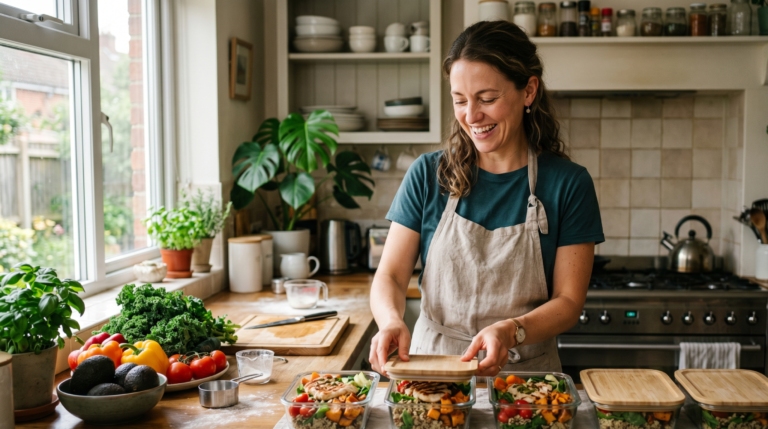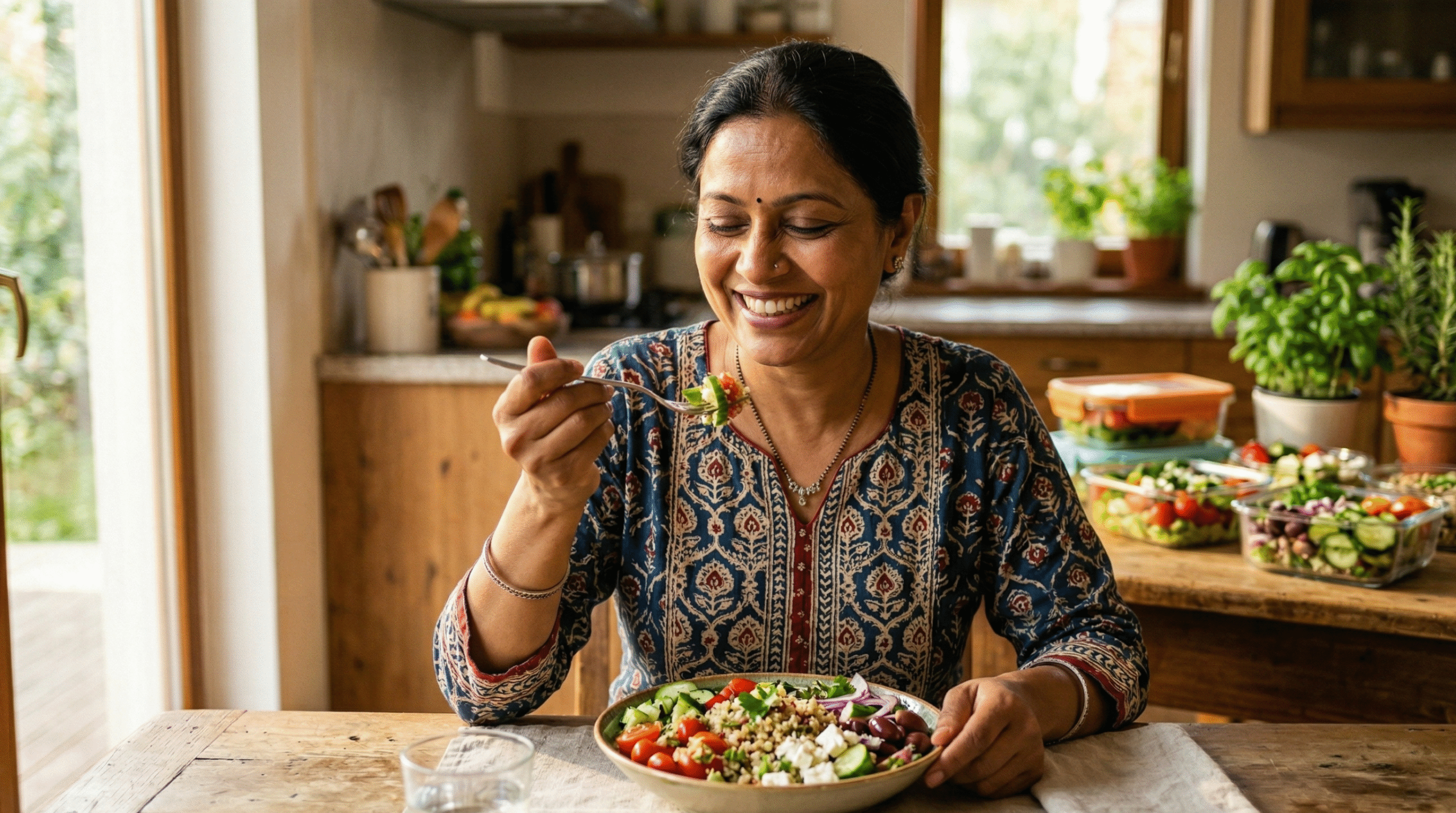
7 Make ahead food recipes guaranteed to spark absolute joy
Looking for reliable make ahead food recipes? I spent weeks testing these incredible prep-friendly meals that actually taste better on day three.
Smoke alarms blaring at 6:45 AM in my downtown Austin apartment. I had just tried to fry a panicked egg while frantically hunting for matching dress socks. Total disaster. That morning, staring at charred protein and a relentlessly ticking clock, something snapped inside my brain. I desperately needed make ahead food recipes. Badly. Not the bland, wilted chicken-and-broccoli sad-desk-lunch variety that tastes like damp cardboard. Real, aggressive flavor. Food that actually survives the brutal chill of a refrigerator.
So, I cleared my schedule entirely. I bought fifteen pounds of raw ingredients from the local HEB on South Congress. My tiny kitchen felt like a sweaty commercial prep station for three days straight. I tested everything.
The Science Behind Storing Make ahead food recipes
Most people think preparing meals in advance steals the soul from cooking. They imagine sterile plastic containers lined up like depressing little soldiers. Wrong. The truth? Some dishes aggressively demand resting time.
Think about a heavy beef stew or a deeply spiced Texas chili. The fats need hours to mingle with the crushed tomatoes and cumin. Those compounds chemically bind overnight in the cold.
That is exactly why certain make ahead food recipes taste infinitely richer on day three. The fridge is not a coffin for your dinner. It is an active, powerful marinade chamber.
But getting it right requires absolute precision. You cannot just throw hot pasta into a cheap tub and pray for survival. Moisture is your worst enemy here.
The Golden Rule for Storing Make ahead food recipes
Condensation murders good texture. Every single time. If you seal a piping hot chicken thigh inside a Tupperware, the steam gets permanently trapped. It rains back down onto your beautifully crispy skin.
Boom. Soggy ruin. To master make ahead food recipes, you must respect the cooling phase completely.
I learned this the hard way with a massive batch of pork carnitas. Let everything hit room temperature before the lid goes on. Period.
The USDA recommends cooling food rapidly to avoid the bacterial danger zone. I use broad aluminum sheet pans to spread the hot ingredients out. It drops the temperature wildly fast.
Sourcing Equipment for Your Prep Arsenal
Forget flimsy takeout boxes that crack in the dishwasher. You need glass. Heavy, thick, unrelenting borosilicate glass.
I personally swear by the OXO Good Grips Snap Containers. They lock down like a nuclear submarine hatch. Oxygen cannot breach the tight silicone seal.
When you rely on make ahead food recipes, oxygen is the invisible thief stealing your freshness. It turns bright green basil pesto into swampy brown sludge overnight.
Another secret weapon? A commercial-grade vacuum sealer. For meat-heavy make ahead food recipes, sucking the ambient air out extends shelf life by weeks in the deep freezer.
Check out my review of the best vacuum sealers for home chefs
My Core Make ahead food recipes for Busy Weeks
Let’s talk pure logistics. You need heavy fuel that reheats seamlessly under office microwaves. I spent a grueling month testing these specific builds.
The Austin Morning Taco Skillet
Eggs usually turn to rubber in the microwave. The trick? Undercook them drastically during your initial Sunday prep.
Scramble pasture-raised eggs until they barely hold a curd. They should look terrifyingly wet. Mix in charred poblano peppers, crumbled raw chorizo, and sharp cotija cheese.
When you heat this up on a Tuesday morning, the residual microwave energy finishes the cooking process gently. You get soft, velvety eggs instead of bouncy yellow erasers. This completely changed how I view breakfast-focused make ahead food recipes.
The Cold-Weather Lentil and Sausage Armor
Soup is the undisputed king of the fridge environment. But thin, watery broths leave you starving by 2 PM. You need serious caloric density.
I build a ruthless base of French green lentils, smoked Andouille sausage, and roughly chopped Lacinato kale. The tiny lentils act like little hungry sponges. They absorb the smoky fat from the sausage over forty-eight hours.
It feels like swallowing a warm, heavy blanket. Serve it alongside a thick, toasted slice of sourdough bread from a local bakery.
Shredded Harissa Chicken Thighs
Breast meat dries out instantly. Stop using it for your Sunday prep sessions immediately. Dark meat contains enough connective tissue and fat to survive the brutal reheating cycle.
I smother bone-in thighs with a violently red harissa paste, minced garlic, and preserved lemon rinds. Roast them at 425 degrees until the skin looks dangerously close to burning.
Pull the dark meat off the bone while it is still warm. Now you have a highly versatile protein asset. Toss it into cold salads. Stuff it into charred pita bread. Fold it into a rapid weeknight quesadilla.
Troubleshooting Failed Make ahead food recipes
We all mess up. I once prepped a beautiful roasted vegetable medley on a crisp Sunday afternoon. By Wednesday, it resembled a wet, sad compost pile.
Zucchini and yellow squash hold too much hidden water inside their flesh. They weep endlessly in the fridge. For resilient make ahead food recipes, pivot entirely to root vegetables.
Carrots, parsnips, and sweet potatoes possess rigid cellular structures. They withstand days of cold, dark isolation. Roast them hard with olive oil and coarse kosher salt.
The Moisture Problem in Pasta
What about heavy Italian pasta? It continues to absorb surrounding liquid even after you chill it down to forty degrees. If you build a massive pot of minestrone, keep the macaroni in a completely separate bag.
Drop the dry, pre-cooked noodles into the hot, boiling broth right before you sit down to eat. Crisis completely averted.
The Financial Reality of Prepping
Eating out in a major tech hub drains your wallet silently. A casual chopped salad costs eighteen bucks now. It hurts physically to swipe the card.
By dedicating just three hours on a Sunday afternoon, the math flips entirely in your favor. You stop bleeding cash at the local food trucks downtown.
Buying raw ingredients in massive bulk changes the economic equation. A ten-pound bag of jasmine rice costs pennies per serving.
This makes mastering make ahead food recipes a literal wealth-building strategy. You funnel that saved lunch money straight into broad index funds or a tropical vacation account.
And you completely avoid the dreaded 3 PM sugar crash from eating heavily processed corporate takeout.
Elevating Flavor Profiles in Make ahead food recipes
Cold temperatures dull flavor severely. A dish that tastes perfectly salted while steaming hot on the stove will taste completely muted straight from the chiller.
You must deliberately over-season your initial prep. Push the kosher salt slightly past your normal comfort zone. Add a heavy, aggressive squeeze of fresh lime juice just before sealing the glass container.
The Acid Awakening
Acid wakes up dormant, sleeping ingredients. I keep a massive glass bottle of reliable Apple Cider Vinegar sitting on the kitchen counter at all times. A tiny splash revitalizes day-old roasted pork instantly.
Fresh green herbs also die quickly under cold stress. Do not chop delicate cilantro or parsley on Sunday. Leave them whole, wrapped tightly in a damp paper towel.
Tear them violently over your reheated meal right on Wednesday afternoon. This injects raw, vibrant energy into otherwise heavy, previously cooked dishes.
Integrating External Authority
Kitchen food safety is not a casual joke. You cannot rely on your nose alone to detect unseen bacterial warfare blooming in your Tupperware.
The strict scientists at the FoodSafety.gov website on Safe Storage Times offer rigid guidelines for a very good reason. Four days is the absolute, non-negotiable maximum for cooked meats.
Do not gamble with your gastrointestinal tract to save three dollars. If you cannot safely consume the meal by Thursday night, throw it directly into the deep freezer.
The Psychological Relief of Preparedness
There is a strange, quiet peace that washes over you at 5:30 PM. You just logged off a miserable, hour-long Zoom call. You are physically and mentally exhausted.
Instead of staring blankly into the dark pantry, you know exactly what is waiting. Hot dinner is exactly ninety seconds away.
You don’t have to chop crying onions. You don’t have to scrub a greasy, blackened frying pan. The hard, manual labor is already completely done.
This mental white space is the true reward. It lets you successfully transition from a frantic workday into actual, genuine evening relaxation.
Advanced Strategies for Weekday Dinners
Let’s push further into the deep weeds. Most beginners just cook a massive, ten-pound batch of chili and eat it five days in a row.
That causes severe, crushing palate fatigue. You will violently hate chili by Friday morning. The secret to long-term success with make ahead food recipes is strictly modular construction.
Component Cooking vs. Finished Plates
Do not build finished, assembled plates. Build separate, distinct components.
Roast two massive trays of versatile, hard root vegetables. Grill a tall stack of neutral, lightly seasoned proteins. Make one sharp mustard vinaigrette and one heavy, creamy tahini sauce.
Now, you simply mix and match daily. Monday is grilled chicken with roasted carrots and heavy tahini. Tuesday is a massive spinach salad with chopped cold chicken and the sharp vinaigrette.
Same exact core ingredients. Totally different eating experiences.
The Freezer Stash Protocol
Always double your liquid recipes. Always. It takes exactly the same amount of physical effort to chop two white onions as it does to chop one single onion.
When you execute your make ahead food recipes, immediately shunt half of the hot yield into freezer-safe silicone bricks.
Wrapping Mechanics for Deep Cold
For freezing mechanics, I often consult the massive, obsessive archives at They relentlessly test the cellular degradation of frozen foods.
Their scientific methods ensure your carefully crafted make ahead food recipes do not suffer from brutal, drying freezer burn. Air is the ultimate enemy here. Wrap everything twice in heavy plastic wrap, then foil.
Label them all aggressively with blue painter’s tape and a thick black Sharpie. Include the exact date. Do not trust your tired memory.
Two months from now, when you catch a cold and cannot stand the thought of cooking, that frozen brick of heavy soup will feel like a miraculous, lifesaving gift from your past self.
Spices, Rubs, and Marinades in the Long Term
Let’s talk about intense dry rubs. Wet marinades with high water content break down meat fibers too aggressively if left sitting in the fridge for days. The texture gets mushy.
I prefer a brutal, heavy crust of smoked Spanish paprika, coarse black pepper, and granulated garlic powder. When executing your make ahead food recipes, dry rubs stick to the raw meat tightly without destroying the cellular structure.
Dry vs. Wet Applications
Sauces constantly break. Fragile emulsions completely fail. If you make a beautiful, glossy lemon butter sauce on Sunday, it will look like greasy, split yellow garbage by Wednesday.
Store your heavy sauces in tiny, completely separate glass jars. Heat the core meat first. Then drizzle the cold or room-temperature sauce heavily over the steaming hot protein. The sharp contrast in physical temperatures is completely intoxicating.
Reheating Mechanics and Heat Distribution
Throwing a solid brick of cold rice into the microwave for three minutes straight guarantees a terrible, uneven meal. The edges boil while the center remains a frozen iceberg.
Avoiding the Microwave Trap
Drop a tiny splash of filtered water over your rice or pasta before hitting start. Cover the dish loosely with a damp, clean paper towel.
This traps local steam and forces it back down into the starches. The food reheats evenly and intensely. It resurrects the exact texture of your make ahead food recipes perfectly.
I threw away the crumpled takeout menus. I stopped relying on lost delivery drivers to bring me overpriced, lukewarm french fries. My fridge in Austin is currently stacked with perfectly aligned glass containers, each one holding a tiny, calculated victory against the sheer chaos of the workweek. I spent hours building this rigid system, tweaking the heavy salt ratios, dialing in the precise cool-down times, and figuring out exactly which tough vegetables survive the brutal chill.
Will you actually dedicate this upcoming Sunday to chopping and roasting, or will you cave to the expensive convenience of the drive-thru again on Tuesday night?